How Data Analytics Improves Business Management: A Practical Guide for Modern Businesses
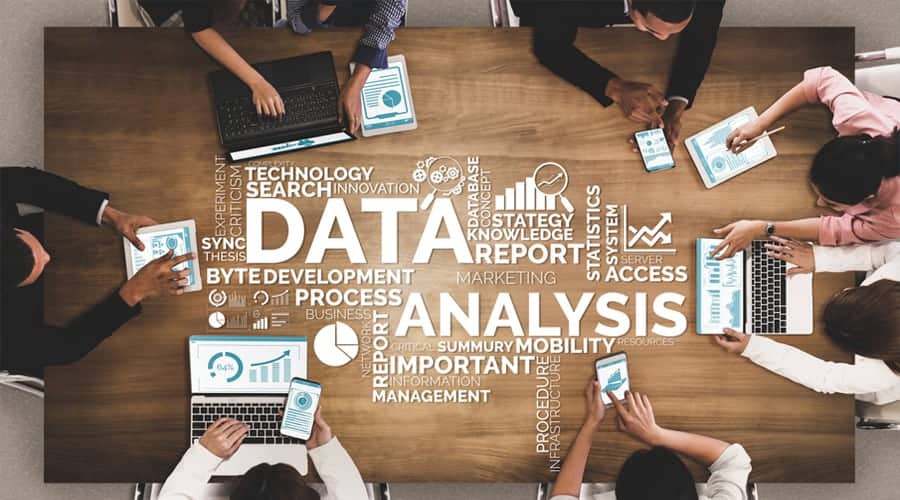
In today’s digital-first economy, businesses generate massive amounts of data every second — from customer purchases and website visits to employee performance and supply chain operations. However, data alone is not valuable unless it is analyzed and used for decision-making.
This is where data analytics in business management becomes a powerful growth tool.
Data analytics helps business owners and managers:
- Understand customer needs
- Reduce operational waste
- Increase team productivity
- Make confident strategic decisions
- Predict future opportunities and risks
Companies that rely on data-driven decisions grow faster, reduce losses, and stay ahead of competitors.
Whether you are a startup founder, operations manager, or marketing professional, understanding how to use analytics can significantly improve business performance.
Let’s explore 8 practical and easy-to-understand ways data analytics improves business management.
Data Analytics in Business Management: 8 Growth Strategies
1. Understanding Customer Behavior and Market Trends
Customers constantly change their preferences based on trends, pricing, and competitors. Businesses that track and analyze customer data can quickly adapt to these changes.
Data analytics collects information from:
- Purchase history
- Online reviews
- Website activity
- Social media engagement
- Customer feedback forms
This data reveals what customers like, what they ignore, and what influences their buying decisions.
Example:
An apparel brand can analyze customer buying patterns to identify trending colors, styles, and price ranges. This helps them stock high-demand products and avoid unsold inventory.
Business Impact:
✔ Better product decisions
✔ Higher customer satisfaction
✔ Increased sales conversions
2. Smarter Pricing Strategies for Higher Profitability
Setting the right price is one of the most challenging tasks in business. If prices are too high, customers leave. If too low, profits suffer.
Data analytics removes guesswork by analyzing:
- Customer purchasing power
- Competitor pricing
- Seasonal demand
- Sales performance
Businesses can then implement dynamic pricing strategies that adjust prices based on real-time demand.
Example:
Airlines increase ticket prices during peak travel seasons and reduce them when demand drops.
Business Impact:
✔ Competitive pricing
✔ Improved profit margins
✔ Higher market share
3. Efficient Inventory Management and Demand Forecasting
Poor inventory planning causes two major problems:
- Overstocking → Wasted storage cost
- Understocking → Lost sales opportunities
Predictive analytics studies past sales patterns and seasonal trends to forecast future product demand accurately.
Example:
A supermarket can analyze festive shopping trends to stock high-demand products like sweets and gift items in advance.
Business Impact:
✔ Reduced inventory costs
✔ Better cash flow management
✔ Improved product availability
4. Stronger and Faster Supply Chain Operations
A slow supply chain increases delivery delays and operational costs. Analytics tools track supplier performance, transportation time, and logistics expenses.
This helps businesses identify:
- Delayed suppliers
- Expensive logistics routes
- Inefficient distribution systems
Example:
An e-commerce company can identify which delivery partners frequently delay orders and switch to faster alternatives.
Business Impact:
✔ Faster deliveries
✔ Lower logistics costs
✔ Improved customer trust
5. Improving Employee Productivity and Performance
Employees are the backbone of every organization. Data analytics helps managers evaluate workforce performance using measurable metrics.
Companies can track:
- Attendance patterns
- Task completion time
- Sales contributions
- Customer handling efficiency
Example:
A sales company can identify top-performing employees and use their techniques to train others.
Business Impact:
✔ Higher workforce efficiency
✔ Better performance evaluation
✔ Improved employee motivation
6. Accurate Sales and Revenue Forecasting
Planning future investments without revenue predictions is risky. Analytics helps businesses forecast sales by analyzing:
- Historical revenue data
- Market growth rate
- Customer demand cycles
- Economic trends
Example:
Retail brands prepare marketing budgets based on expected festive season sales.
Business Impact:
✔ Better financial planning
✔ Reduced business risks
✔ Smart resource allocation
7. Data-Driven Marketing Campaigns
Marketing without data leads to wasted advertising budgets. Analytics reveals which campaigns bring real customers and which platforms perform best.
Businesses can track:
- Click-through rates
- Conversion rates
- Customer engagement
- Cost per acquisition
Example:
A company can stop spending on low-performing ads and invest more in high-converting platforms.
Business Impact:
✔ Higher marketing ROI
✔ Better audience targeting
✔ Increased customer acquisition
8. Identifying Operational Inefficiencies
Every business has process gaps that waste time and money. Data analytics identifies bottlenecks in workflows and suggests improvements.
Example:
Banks use analytics to reduce loan approval time by automating document verification.
Business Impact:
✔ Faster operations
✔ Reduced costs
✔ Better customer experience
🎯 Key Benefits of Data Analytics in Business Management
✔ Faster decision-making
✔ Reduced operational costs
✔ Better customer understanding
✔ Higher profitability
✔ Improved productivity
✔ Competitive advantage
Frequently Asked Questions
What is data analytics in business management?
It is the process of analyzing business data to discover useful insights that support better decision-making and performance improvement.
Is data analytics useful for small businesses?
Yes. Small businesses use analytics to understand customers, optimize marketing, and reduce unnecessary expenses.
What tools are used for business data analytics?
Popular tools include Google Analytics, Power BI, Tableau, Excel, and CRM analytics software.
Conclusion:
Businesses that ignore data analytics rely on assumptions. Businesses that use analytics rely on facts.
Data-driven management improves efficiency, reduces risks, and unlocks growth opportunities. In a competitive market, analytics is no longer optional — it is a necessity.
Organizations that adopt analytics today will lead their industries tomorrow.
🏢 About CO-OFFIZ — Premium Coworking Spaces in Delhi NCR
CO-OFFIZ offers fully managed coworking spaces designed for startups, entrepreneurs, and growing teams seeking productive and professional work environments.
With modern amenities, flexible office plans, and metro-accessible locations, CO-OFFIZ helps businesses focus on growth while we manage the workspace.
📍 Locations: Preet Vihar | NSP | Noida Sector 63 | Gurgaon Sector 58 | Noida Sec-3